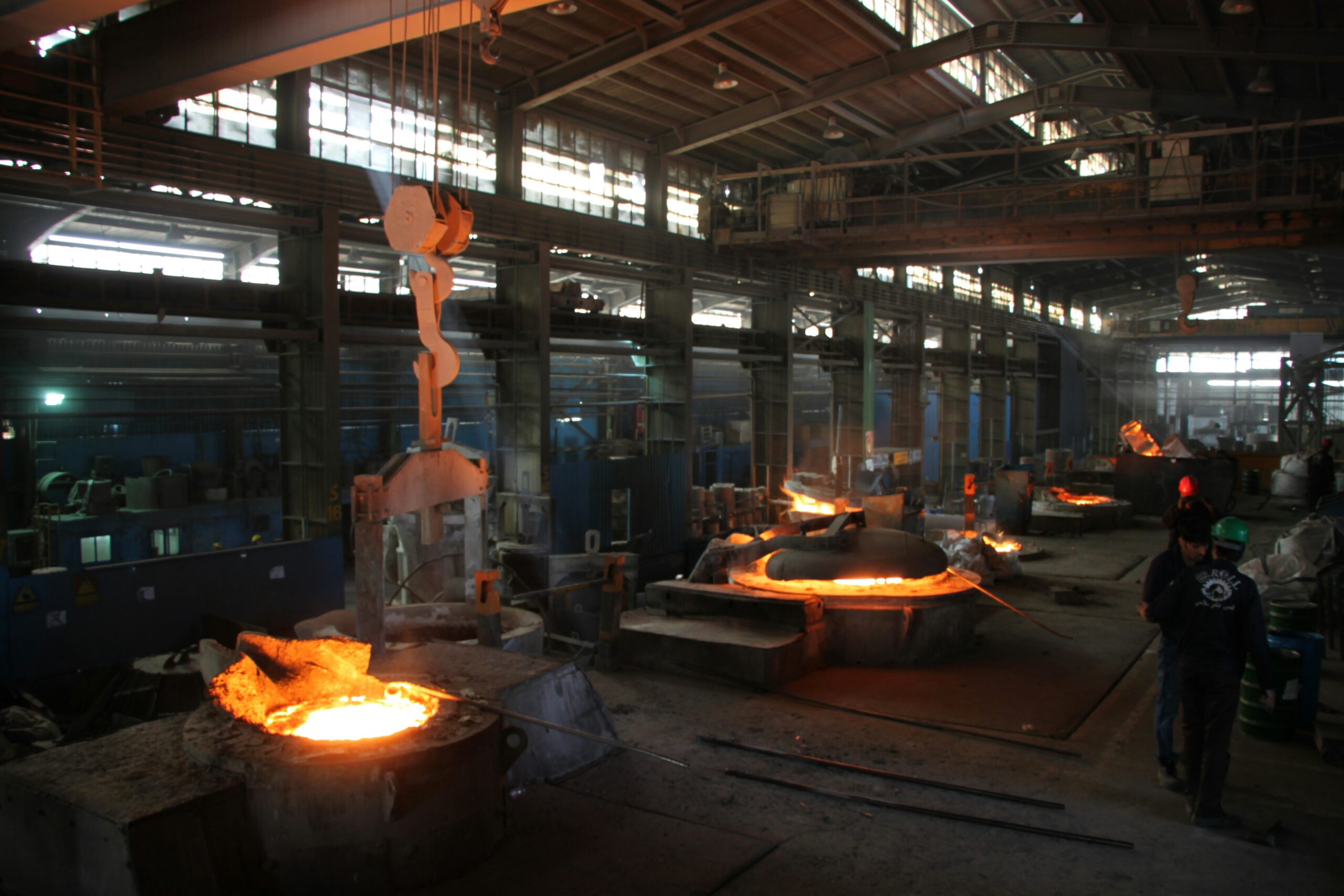
Pre-Forming Equipment: Precision Blanking for Consistent Molding Quality
Problem Statement
Inconsistent pre-formed rubber blanks lead to molding defects: flash formation, dimensional inaccuracies, and variable compression set performance. Manual cutting introduces ±5% weight variance, directly impacting cure time and final part properties.
Material Science Analysis
Traditional die-cutting fails with high-modulus compounds (Shore A >80). FKM and HNBR exhibit elastic recovery post-cutting, causing edge deformation. RubberQ’s servo-controlled blanking systems apply 0.01mm precision at 150°C pre-heat, reducing rebound effects by 62% compared to room-temperature processing.
Technical Specifications
- Blank Tolerance: ±0.2mm (ISO 3601 Class A)
- Temperature Range: 25°C to 180°C (compatible with peroxide-cured EPDM)
- Cycle Rate: 120 blanks/minute (25mm diameter)
- Compression Set Reduction: 15% improvement vs. manual-cut blanks (ASTM D395 Method B)
| Parameter | RubberQ Servo Blanking | Hydraulic Punch | Laser Cutting |
|---|---|---|---|
| Edge Quality (Ra μm) | 3.2 | 6.4 | 1.6 (but causes carbonization) |
| Material Waste (%) | 2.1 | 4.7 | 8.3 |
| FKM Compatibility | Yes (with heated platens) | Limited (stickiness issues) | No (HF emissions) |
Standard Compliance
IATF 16949-controlled blanking process ensures:
- Lot traceability via QR-coded blanks
- ASTM D2000 material callout verification pre-forming
- ISO 16232 cleanliness level 3 achieved through integrated vacuum debris removal
For custom material compound development or IATF 16949 documentation, consult RubberQ’s engineering department.
Leave a Reply