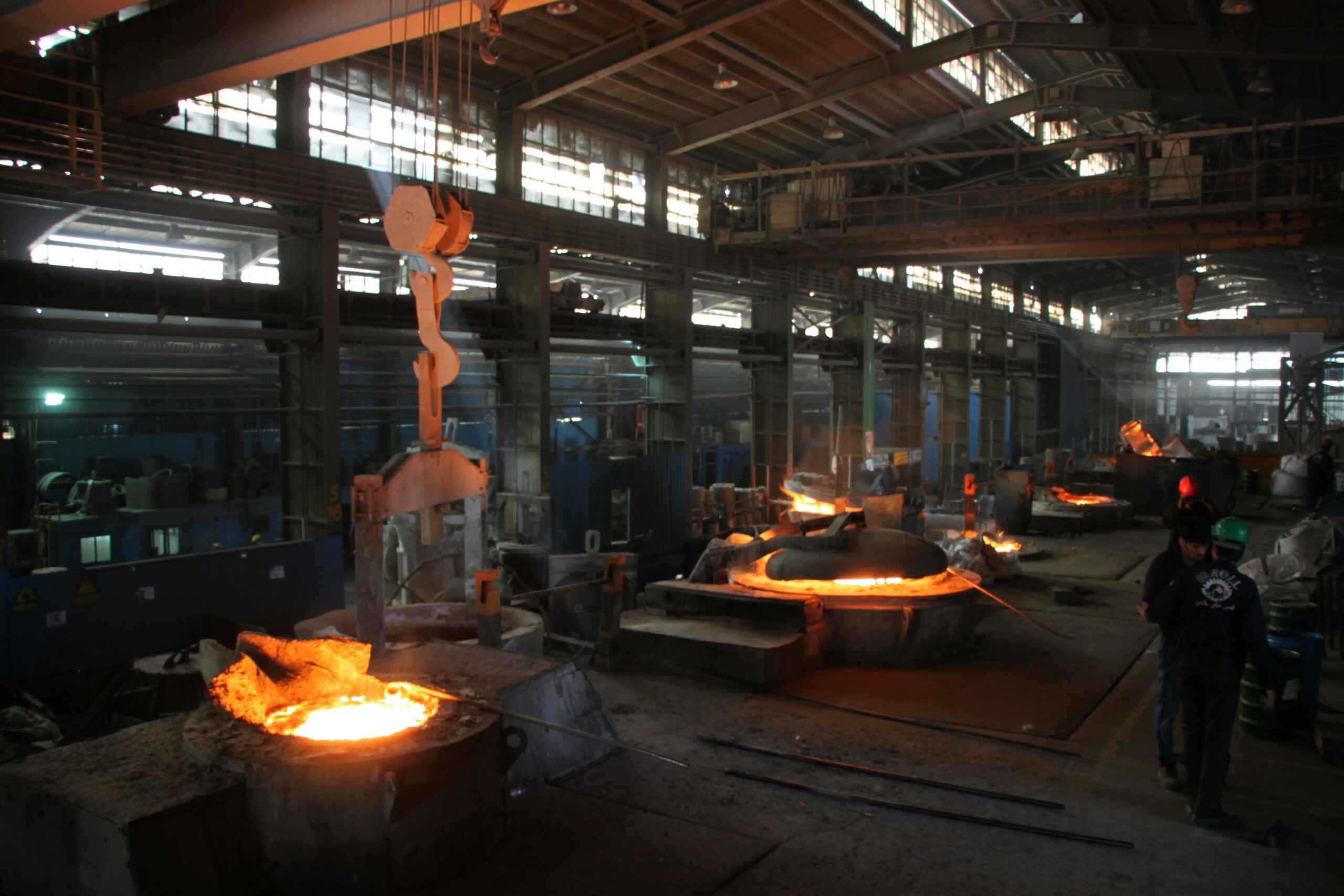
Warping in Molded Parts: Managing Internal Stresses during Cooling
Problem Statement
Molded rubber parts often exhibit warping due to uneven cooling rates and internal stresses. This issue compromises dimensional accuracy, especially in high-precision applications like EV battery seals and AI server gaskets.
Material Science Analysis
Internal stresses arise from differential shrinkage during cooling. Amorphous polymers like NBR and EPDM are prone to warping due to their random molecular structure. Semi-crystalline polymers like FKM exhibit lower shrinkage rates due to their ordered molecular arrangement. Fluorine content in FKM enhances thermal stability, reducing warping at elevated temperatures.
Technical Specs
- Material: FKM (Fluoroelastomer)
- Shore A Hardness: 70 ± 5
- Tensile Strength: 15 MPa
- Elongation at Break: 200%
- Temperature Range: -20°C to +200°C
- Compression Set: 15% (22 hrs at 200°C)
- Chemical Resistance: Excellent against oils, fuels, and acids
Technical Comparison
| Material | Shore A Hardness | Tensile Strength (MPa) | Elongation at Break (%) | Temperature Range (°C) | Compression Set (%) |
|---|---|---|---|---|---|
| FKM | 70 ± 5 | 15 | 200 | -20 to +200 | 15 |
| NBR | 75 ± 5 | 10 | 300 | -30 to +120 | 25 |
| EPDM | 65 ± 5 | 12 | 400 | -50 to +150 | 20 |
Standard Compliance
RubberQ adheres to IATF 16949 standards to ensure batch-to-batch consistency. Our in-house compounding process controls polymer ratios, fillers, and curing agents to meet ASTM D2000 material callouts and ISO 3601 sealing standards. This eliminates variability in cooling rates and minimizes warping.
For custom material compound development or IATF 16949 documentation, consult RubberQ’s engineering department.
Leave a Reply